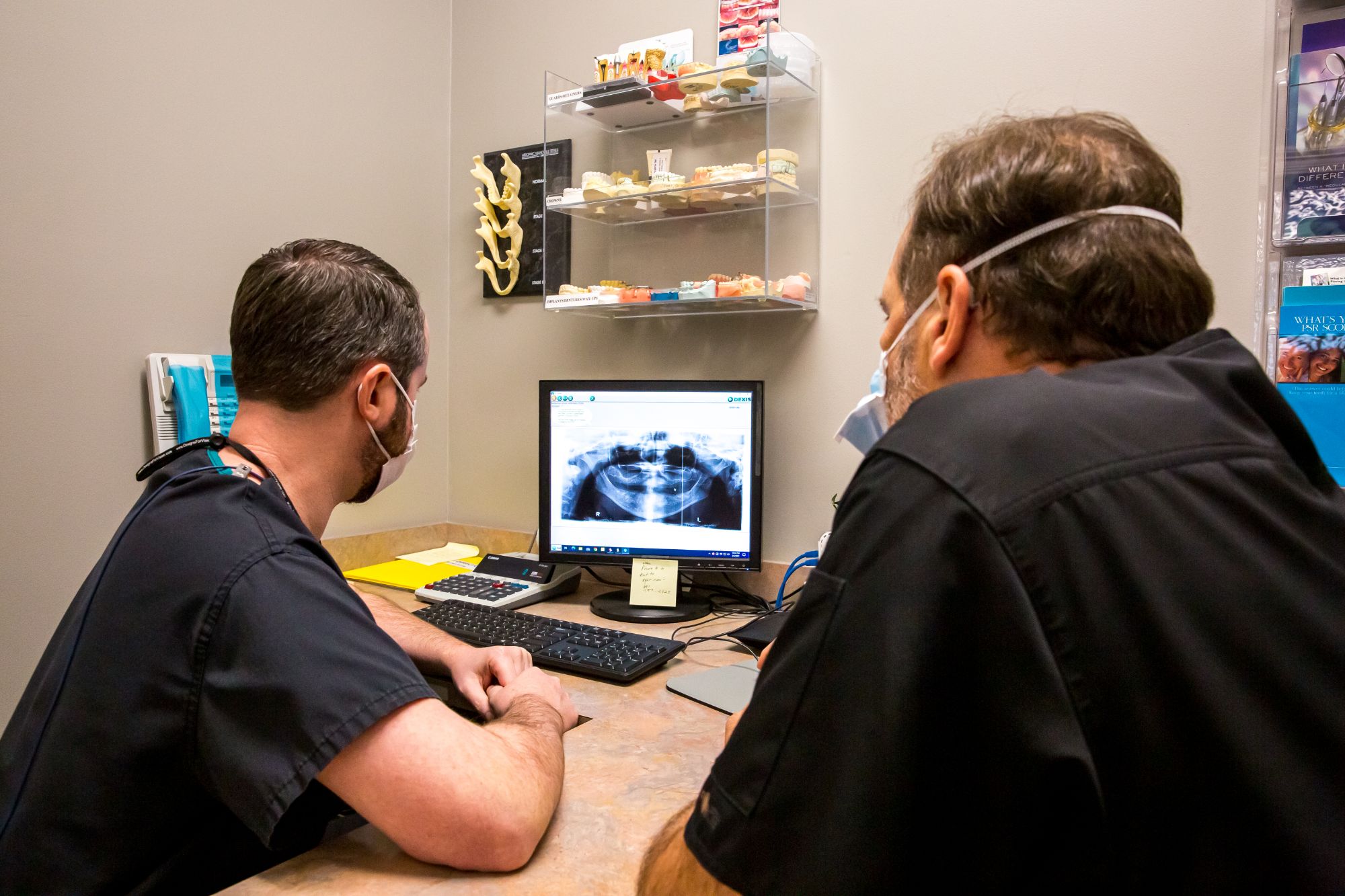

A Comfortable Alternative for Sleep Apnea Relief
If you’re wondering what to expect from sleep apnea oral appliance therapy, you’re in the right place. Maybe your doctor just handed you the results of a sleep study, or maybe you’ve been struggling with a CPAP machine and wondering if there’s another way to breathe easier at night.
There is. Oral appliance therapy (OAT) is a treatment recognized by the American Academy of Sleep Medicine (AASM) that uses a custom-fitted dental device to keep your airway open while you sleep. It’s small, quiet, and easy to travel with.
This guide covers each step from consultation to long-term care. You’ll learn how the appliance works, who it’s best for, what the fitting process looks like, and how to manage the adjustment period. We’ve spent decades helping families in Laurel, MS and across south Mississippi rest better, and we want you to feel informed before you decide anything.
What Is Oral Appliance Therapy for Sleep Apnea?
Oral appliance therapy is a treatment that uses a custom dental device, worn only at night, to gently reposition your lower jaw forward. This forward positioning helps keep the airway open, which reduces snoring and the breathing pauses caused by obstructive sleep apnea (OSA).
The most common device is called a mandibular advancement device (MAD). It looks similar to a sports mouthguard or a retainer, with an upper and lower tray connected in a way that holds the jaw in a slightly forward position.
How it works:
- The lower jaw moves forward a few millimeters while you sleep.
- This pulls the tongue and soft tissues away from the back of the throat.
- With more open space, air flows freely and apnea events decrease.
A custom, FDA-cleared oral appliance is very different from a drugstore mouthguard. Over-the-counter devices aren’t designed for sleep apnea and can shift teeth or worsen jaw issues. The AASM endorses custom oral appliances as a first-line treatment for mild-to-moderate OSA and for people with severe OSA who can’t tolerate CPAP.

Who Is a Good Candidate? Sleep Apnea Mouthguard as a CPAP Alternative
OAT works well for many adults, but it isn’t right for everyone. During your consultation, we’ll review your sleep study, your medical history, and the health of your teeth and jaw.
You may be a good candidate if you:
- Have been diagnosed with mild or moderate obstructive sleep apnea
- Have severe OSA but can’t tolerate CPAP
- Snore heavily and want a low-profile solution
- Have healthy teeth and gums that can support the appliance
- Have limited or well-managed TMJ concerns
- Travel often and need a portable treatment
Dental prerequisites matter. You’ll need enough healthy teeth to anchor the device, and any active cavities or gum concerns should be addressed first. If you wear a crown, bridge, or partial denture, we’ll evaluate whether the appliance can be designed to work around your existing restorations.
OAT requires a sleep study diagnosis from a physician before treatment begins. If you haven’t been tested yet, that’s the first step.
The Consultation and Fitting Process: Step-by-Step
Here’s what the clinical process typically looks like from your first visit through appliance delivery:
- Initial consultation. We review your sleep study, discuss your symptoms, and complete a dental sleep medicine exam. This includes evaluating your bite, jaw range of motion, and airway.
- Impressions or digital scans. We capture the shape of your teeth using either traditional impressions or a digital scanner. It’s quick and comfortable.
- Lab fabrication. Your appliance is custom-made at a specialized dental lab. This step usually takes about two to three weeks.
- Fitting appointment. When your appliance arrives, we check the fit, take a bite registration, and make small adjustments so it feels secure without being tight.
- Patient education. Before you leave, we’ll show you how to insert and remove the device, how to clean it, and what to expect during the first few nights.
You’ll go home with the appliance, written instructions, and a direct line to the practice if questions come up.
What to Expect in the First Week
The first few nights take some getting used to. Most people feel the appliance is present but not uncomfortable. Think of it like breaking in a new retainer.
Common early sensations include:
- A feeling of pressure on the teeth or jaw
- Extra saliva, or occasionally a slightly dry mouth in the morning
- Mild jaw tenderness when you first wake up
- Some awareness of the device while falling asleep
These sensations typically ease within a week or two. In the morning, gentle jaw exercises (small side-to-side and open-close movements) help your bite feel normal again. If you were given a morning repositioner, use it as directed for a few minutes after removing the appliance.
Consistency is the biggest factor in early success. Wear it every night, even on nights you’re tempted to skip. The habit builds quickly, and so does the sleep quality.
The Adjustment Period: Weeks 2-4
Over the next few weeks, we’ll fine-tune the appliance through a process called titration. This means gradually advancing the lower jaw a small amount at a time until we find the position that best opens your airway with the least discomfort.
What you can expect during this window:
- Follow-up visits to make small adjustments to the device
- Improved symptoms, including quieter nights for your partner and less morning grogginess
- Better sleep continuity as breathing becomes steadier at night
- Ongoing check-ins so we can address any lingering soreness
Everyone responds on their own timeline. Some people notice big changes within the first week, while others need the full month to feel a clear difference. If discomfort lingers past a few weeks or you notice new bite changes, call us right away so we can adjust the fit.
Common Side Effects and How to Manage Them
Most side effects are mild and temporary. Here’s a quick reference:
| Side Effect | What Helps |
|---|---|
| Morning jaw soreness | Gentle stretches, warm compress, short-term use of the morning repositioner |
| Excess saliva | Usually resolves within a week or two as your mouth adapts |
| Dry mouth | Stay hydrated during the day and use an alcohol-free rinse before bed |
| Minor tooth movement | Consistent use of the morning repositioner; annual bite checks |
| TMJ tenderness | Pause therapy briefly and contact the practice for a fit evaluation |
Most side effects settle down within the first month or so. If something feels off, don’t guess. Reach out. Small adjustments usually solve the issue.
Measuring Success: Follow-Up and Sleep Testing
Once your appliance is titrated to a comfortable position, your physician will typically order a follow-up sleep study, either at home or in a lab. This confirms that the device is actually treating the apnea, not just the snoring.
Success is measured in two ways:
- Objective data. A reduction in your apnea-hypopnea index (AHI), which counts breathing interruptions per hour of sleep.
- Subjective improvement. More energy, sharper focus, fewer morning headaches, and a quieter bedroom.
If the follow-up study shows the appliance isn’t fully controlling your apnea, that’s not the end of the road. Some patients benefit from combination therapy, using OAT along with positional therapy (sleeping on your side) or a low-pressure CPAP. Your sleep physician and our team will work together to build the right plan.
Long-Term Care and Appliance Lifespan
A well-cared-for oral appliance can last several years, often three to five, depending on the material and how you use it.
Daily care:
- Rinse the appliance with cool water after each use
- Brush it gently with a soft toothbrush and a mild, non-abrasive soap
- Avoid toothpaste, which can scratch the surface
- Let it air dry in its case before storing
Weekly care:
- Soak in a denture or appliance cleaner as recommended
- Inspect for cracks, worn hinges, or loose components
Travel tips:
- Always pack the appliance in a hard case in your carry-on
- Keep it out of hot cars and away from direct sunlight
- Bring your cleaning supplies so you don’t miss a night
We’ll check the fit at your regular dental visits and let you know when it’s time for a replacement.
Oral Appliance Therapy vs. CPAP: What’s the Difference?
Both treatments work. The right one depends on your severity, your comfort, and your lifestyle.
| Feature | Oral Appliance Therapy | CPAP |
|---|---|---|
| Best for | Mild-to-moderate OSA, CPAP-intolerant patients | Moderate-to-severe OSA |
| Size | Fits in a small case | Machine, tubing, mask |
| Noise | Silent | Some airflow sound |
| Travel | Very portable | Requires power and setup |
| Compliance | Often higher, easier to wear nightly | Can be difficult for some users |
| Maintenance | Daily rinse, weekly soak | Filter changes, tubing cleaning |
CPAP is considered the gold standard for severe sleep apnea because it delivers pressurized air directly. But if you can’t tolerate the mask, an unused CPAP helps no one. That’s where OAT often becomes the practical choice. Some people even use both, CPAP at home and an oral appliance for travel.
Cost, Insurance, and What to Ask Your Provider
Custom oral appliances are billed under DME code E0486 and are often covered by medical insurance rather than dental insurance because the device is considered medical, not cosmetic.
What to know:
- Many private medical plans cover OAT when medical necessity is documented with a sleep study.
- Medicare covers OAT for beneficiaries with a qualifying OSA diagnosis, subject to specific documentation requirements.
- Out-of-pocket costs vary based on your plan, deductible, and provider network.
Questions to ask when you call your insurer:
- Is code E0486 covered under my medical benefits?
- What documentation do you need from my sleep physician?
- Do I need pre-authorization?
- What is my deductible and coinsurance responsibility?
We can help verify your insurance and discuss financing options if you’d like to spread payments over time.

Frequently Asked Questions
How long until I see results from oral appliance therapy?
Many people notice quieter sleep and less morning fatigue within the first two to four weeks. Full results usually appear after the titration process is complete and confirmed by a follow-up sleep study. Every person adjusts at their own pace.
Can I use an oral appliance if I have dentures or crowns?
Often, yes. Crowns and bridges typically aren’t a barrier, though your appliance must be designed to fit them. Full dentures make traditional OAT more complex, but we can evaluate your situation and discuss whether a modified device is appropriate.
Is oral appliance therapy covered by insurance?
Many medical plans cover custom oral appliances under DME code E0486 when a sleep study documents obstructive sleep apnea. Coverage varies by plan, so we recommend verifying benefits before treatment. We can help walk you through the process.
What happens if the appliance stops working?
If your symptoms return or the device feels loose, call us. Most issues are solved with a minor adjustment. If the appliance is worn out or damaged, we’ll evaluate whether a repair or replacement is the right next step.
Can I travel with my oral appliance?
Absolutely. That’s one of its biggest advantages. Pack it in a hard case in your carry-on, bring your cleaning supplies, and keep it out of extreme heat. No batteries, no cords, no airport hassles.
Take the Next Step Toward Better Sleep
If sleep apnea is stealing your rest, you have options that don’t involve a mask and a machine. A custom oral appliance is quiet, comfortable, and easy to live with, and for many patients it’s the option they keep using long-term.
Laurel Dental Group offers dental sleep medicine consultations for adults exploring OAT. We’ll review your sleep study, evaluate your candidacy, and help verify your insurance benefits so you know exactly what to expect. If you’re in Laurel, MS or the surrounding south Mississippi communities, we’d love to hear from you.
This article is educational and is not a substitute for personalized medical or dental advice. Please consult your physician and a qualified dental sleep medicine provider before starting any treatment for sleep apnea.